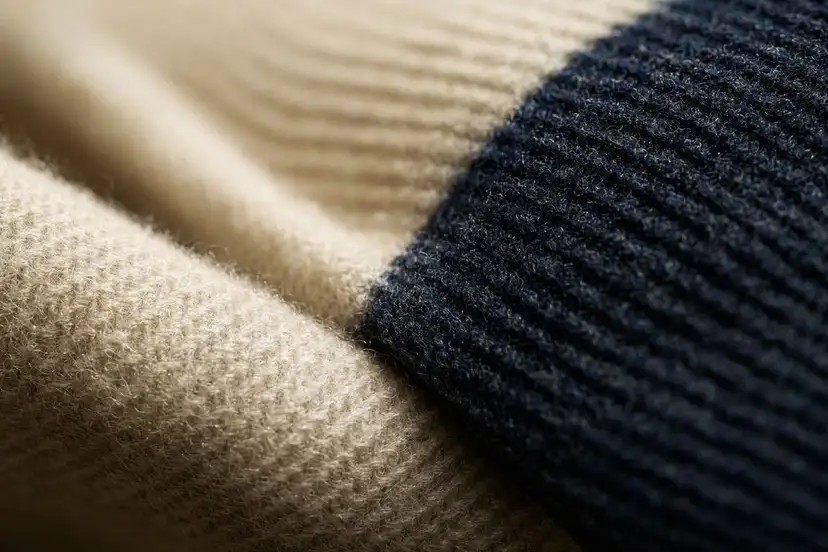
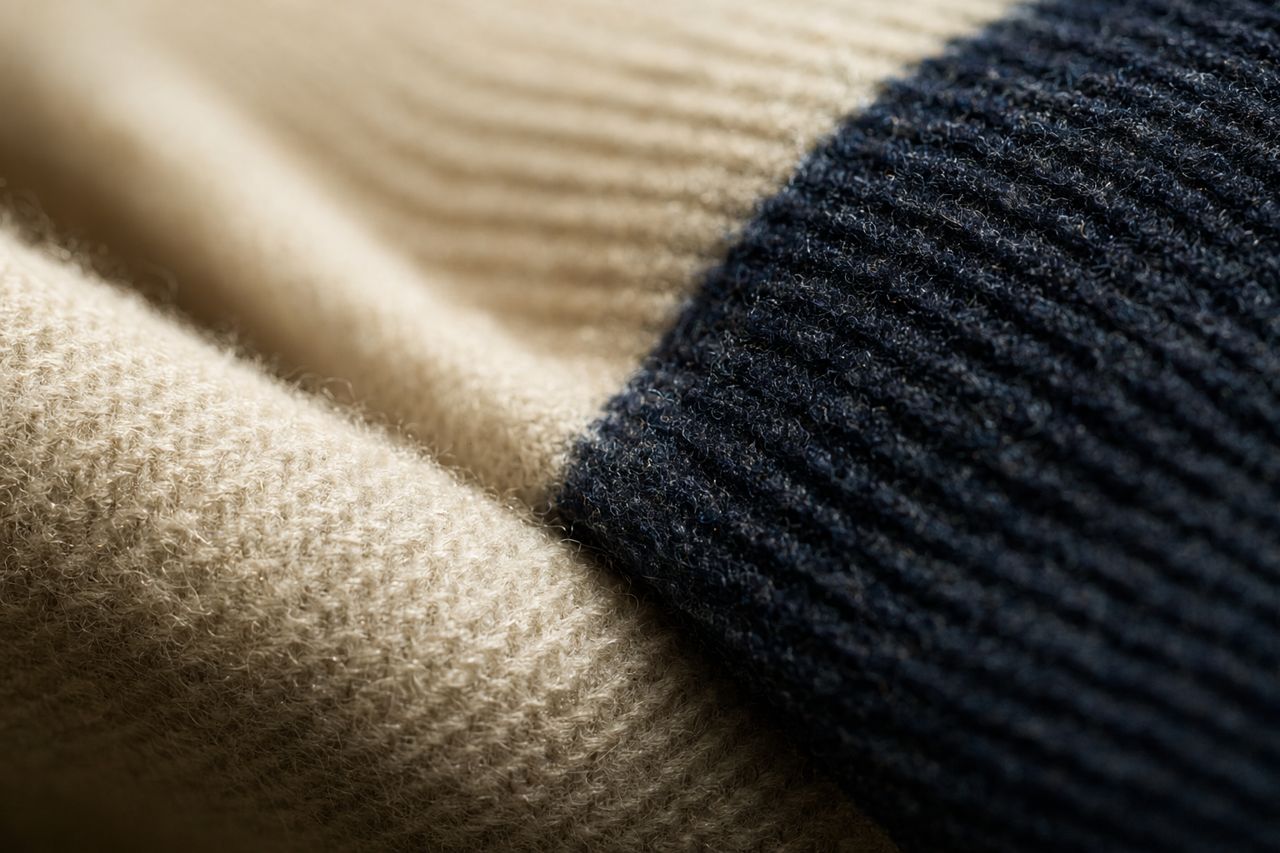
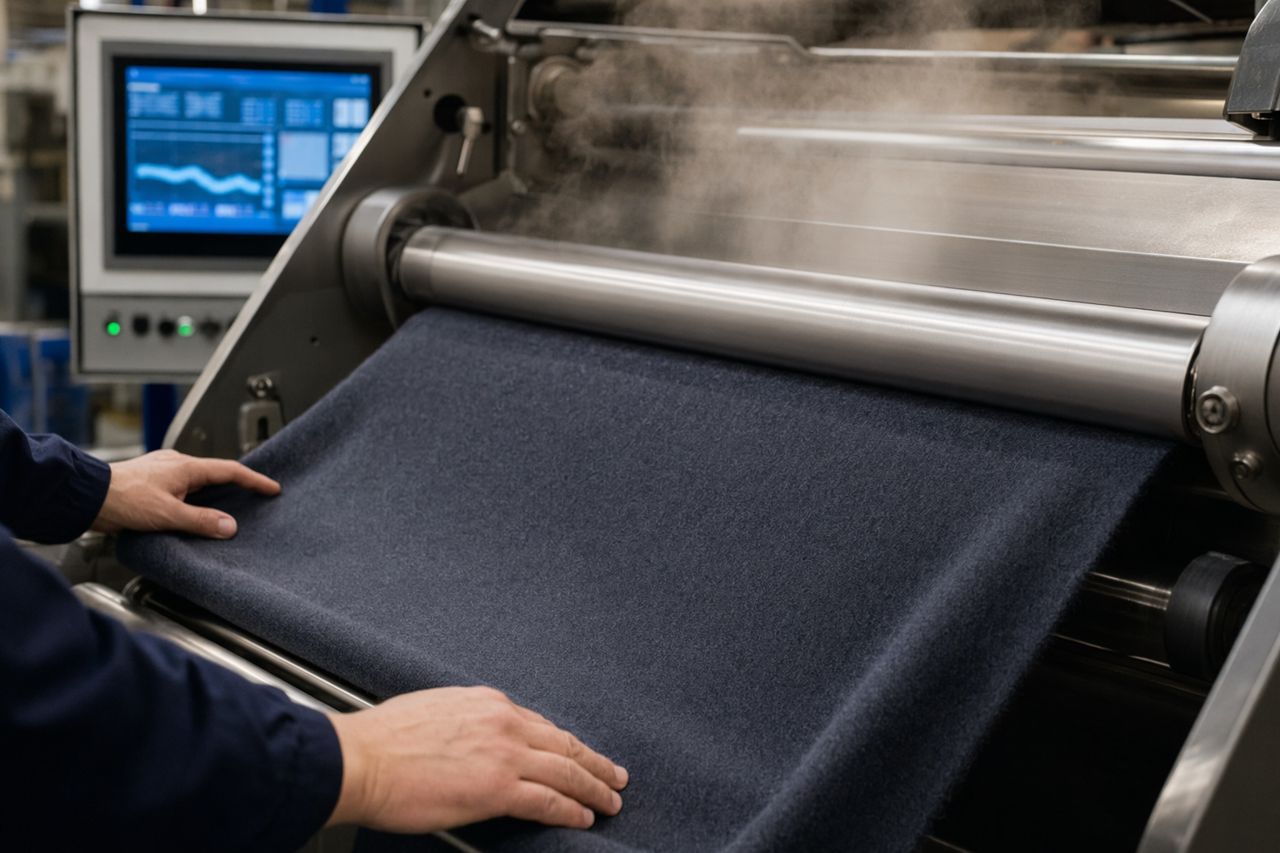
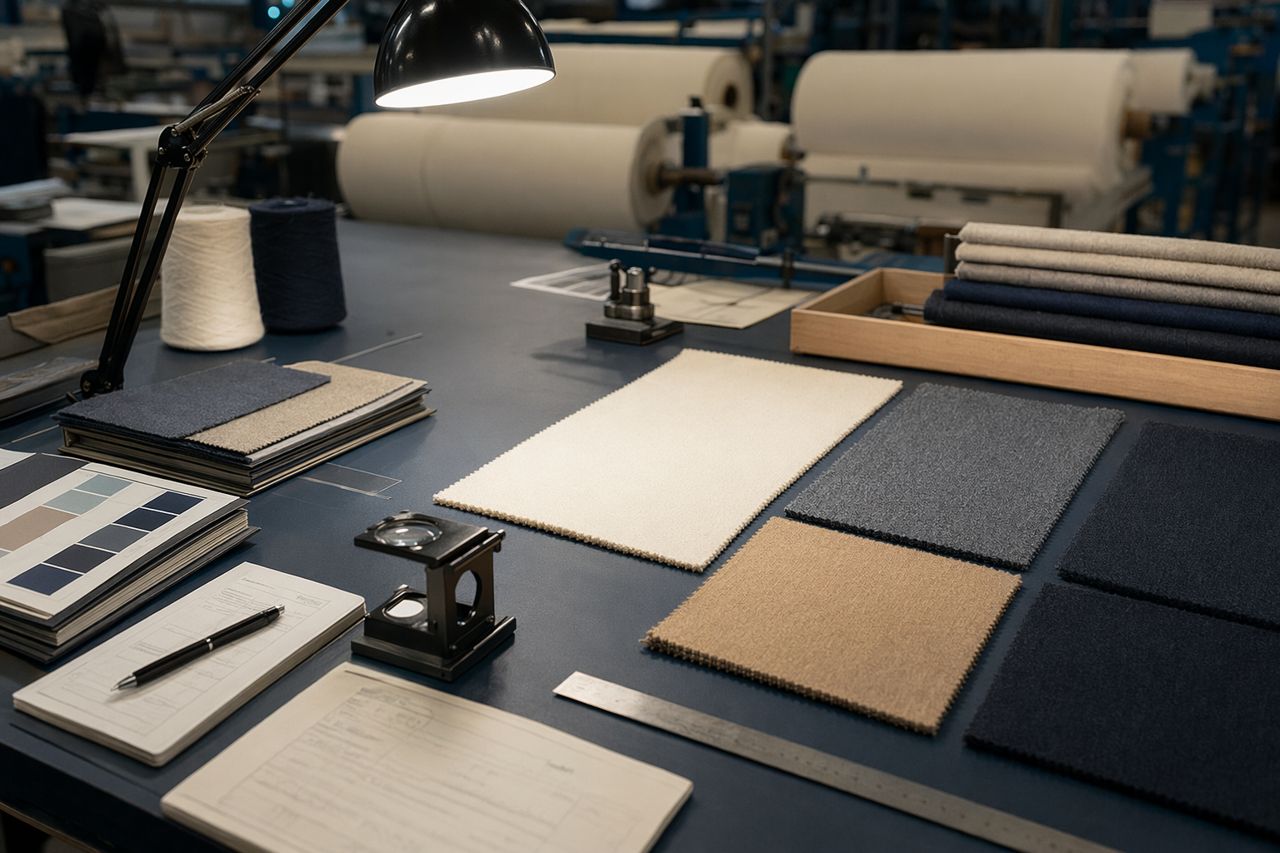
Wool bio-polishing enzyme solutions for controlled finishing
Lanefold supplies enzyme solutions for wool processing mills that need a cleaner surface, softer handle, and more consistent lot appearance without losing sight of fiber strength, shade, and production repeatability.
As an enzyme supplier for wool processing mills, we work with finishing teams that want practical support around bath conditions, fabric route, dwell time, rinse-off, and lot-to-lot control—not a generic chemistry recommendation.
Our wool bio-polishing approach is designed for mills producing premium knitwear, woven apparel, accessories, and blended wool goods where surface cleanliness and tactile quality are commercial requirements.
Request a quote
What wool bio-polishing can help improve
Wool finishing managers usually come to us with one or more production goals:
- Reduce visible surface fuzz and loose fiber ends
- Support pilling control targets on selected wool constructions
- Improve perceived smoothness and premium handfeel
- Clean up the fabric face before final finishing
- Help maintain shade depth and visual uniformity
- Reduce rework caused by uneven surface appearance
- Support reproducible lots across repeat orders
Lanefold helps match the enzyme category to the substrate, construction, dye state, and finishing sequence so the treatment supports your commercial target without creating unnecessary strength or handle risk.
Built for mill conditions, not lab assumptions
Wool is a protein fiber with a sensitive surface structure. A bio-polishing process must be controlled with care. Too little effect leaves the face unchanged. Too much effect can affect strength, weight, or handle.
That is why Lanefold focuses on practical process fit:
- Compatibility with your existing bath window
- Guidance for controlled treatment intensity
- Support for batch and continuous finishing considerations
- Evaluation alongside softeners, shrink-control systems, and dyeing routes
- Clear trial planning for shade, handle, strength, and pilling assessment
- Scale-up thinking from lab dip to production lot
The goal is not aggressive fiber removal. The goal is controlled surface refinement.
Where Lanefold wool bio-polishing enzymes fit
After dyeing
For mills seeking a cleaner final face after coloration, wool bio-polishing can be evaluated after dyeing where shade preservation, rinse quality, and handle development are central concerns.
Before final softening
Bio-polishing before final softener application can help prepare the surface so the final hand is cleaner, more even, and less masked by loose fiber.
In premium appearance programs
For higher-value wool articles, small differences in surface clarity, touch, and consistency can determine approval. Lanefold supports controlled trials for premium finishing routes where rework reduction matters.
For selected blends
Wool blends require special attention to the full fiber mix. Lanefold can help assess whether a wool-focused or blend-aware enzyme route is appropriate for your construction.
Benefits for finishing managers
Cleaner fabric face
Support reduction of fuzz and stray surface fibers so the finished wool looks more refined under showroom and inspection lighting.
Better handle control
Target a smoother, softer, more premium touch while protecting the character expected from the wool article.
Pilling control support
Help reduce contributors to pilling on suitable fabrics as part of a complete mechanical and chemical finishing strategy.
Shade-conscious finishing
Plan enzyme use around the dye route and finishing sequence to help preserve shade depth, tone, and lot uniformity.
Reduced rework pressure
Improve process definition and surface consistency so fewer lots are held back for appearance-related finishing adjustments.
Repeatable production lots
Move from promising lab results to controlled mill runs with defined checks for handle, surface, strength, shade, and fabric weight.
Enzyme selection support from Lanefold
Every mill route is different. Lanefold can help your team narrow the enzyme choice by reviewing:
- Wool type and fiber fineness
- Fabric or garment construction
- Dyed, undyed, or top-treated state
- Existing shrink-control or anti-felting chemistry
- Mechanical action in the machine
- Required handle and appearance target
- Risk limits for strength, weight, and shade change
- Current rework or claim patterns
From there, we recommend a practical trial direction and quote the suitable wool bio-polishing enzyme category for your production need.
What to evaluate in a mill trial
A good wool bio-polishing trial should be judged on more than softness alone. We recommend checking:
- Surface fuzz before and after finishing
- Pilling performance against your customer requirement
- Tensile or burst strength, depending on fabric type
- Shade change and tone consistency
- Handle, drape, and fullness
- Weight change and dimensional behavior
- Rinse-off and downstream finishing compatibility
- Repeatability between trial lots
This keeps the decision tied to commercial approval, not only a visual impression from one sample.
Supply for production planning
Lanefold supports wool processing mills with quote-based supply for production use. Tell us your fabric type, finishing route, target improvement, and current processing constraints. We will help identify the right enzyme solution and provide commercial supply details for your mill.
Request a quote
If you are looking for a wool bio-polishing enzyme supplier for textile finishing, contact Lanefold with your application details.
Use the on-site request form and include:
- Wool article type or blend
- Batch or continuous process
- Dyed or undyed condition
- Current finishing sequence
- Target outcome: surface cleanliness, pilling control support, softer handle, or rework reduction
- Any shade, strength, or shrink-control limits
Request a quote